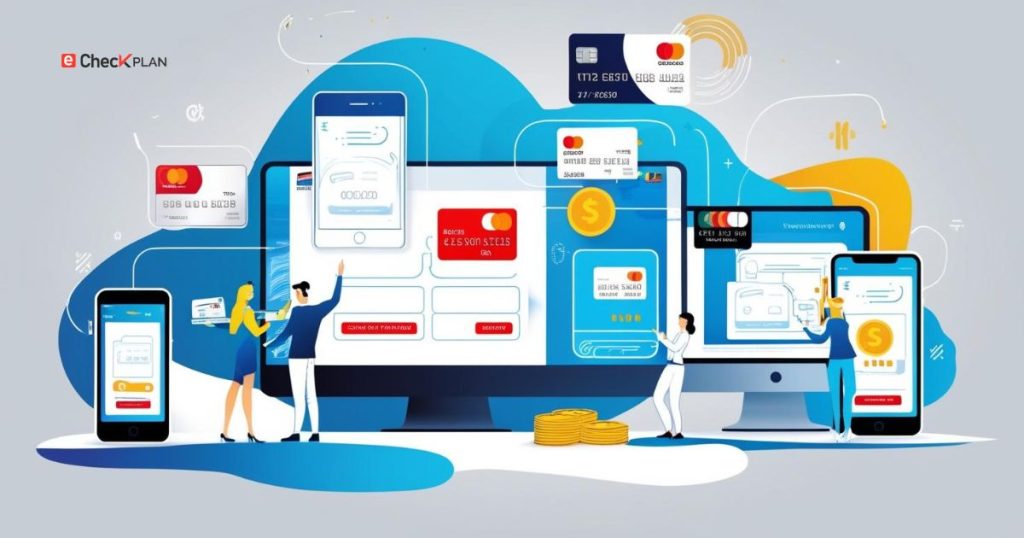
In recent years, the financial landscape has undergone a significant transformation with the rise of embedded finance. This innovation is not just a buzzword but a game-changer in how businesses and individuals interact with financial services. From seamless online payments to enhanced customer experiences, embedded finance is revolutionizing payment solutions. In this blog, we’ll explore what embedded finance is, how it works, its benefits, and why it’s becoming an essential part of the modern business toolkit.
What is Embedded Finance?
Embedded finance refers to the integration of financial services into non-financial platforms, creating a seamless user experience where financial transactions are processed without the user needing to leave the platform. This can include features like embedded payments, lending, insurance, and more, directly within applications, websites, or even hardware devices. For example, when you purchase something online and have the option to use your preferred payment method right on the merchant’s website, you’re interacting with embedded finance.
The Rise of Embedded Finance
The adoption of embedded finance is driven by several factors. The demand for convenience and personalized experiences is at the forefront. Consumers and businesses alike want to perform financial transactions as seamlessly as they do other online activities. Embedded finance addresses this need by allowing financial transactions to occur within familiar environments, whether that’s a retailer’s checkout page, a healthcare provider’s appointment booking system, or even social media platforms.
How Does Embedded Finance Work?
At its core, embedded finance leverages Application Programming Interfaces (APIs) to integrate financial services into other platforms. These APIs allow non-financial companies to connect with financial institutions to offer services like payment processing, lending, or insurance without needing to develop these services from scratch. The integration is often done through a process called “plug and play,” where software solutions can be quickly deployed and customized to meet specific needs.
For example, a software company can use APIs to embed payment processing features into its application. This means that users can make payments directly within the app, streamlining the user experience and reducing friction in the payment process. Similarly, a ride-sharing service could offer insurance options for drivers directly within its app, ensuring that drivers have access to the coverage they need without needing to navigate away from the platform.
Benefits of Embedded Finance
1. Enhanced User Experience: One of the most significant benefits of embedded finance is the improved user experience. By integrating financial services directly into platforms, businesses can offer a seamless and intuitive experience that keeps customers engaged. For instance, the ability to pay directly within an app reduces the steps users need to take, making transactions faster and more convenient.
2. Increased Efficiency: Embedded finance can streamline business operations by automating financial transactions. This not only reduces the time and effort required to process payments but also minimizes the risk of errors. For example, automating invoicing and payment collection processes can save businesses valuable time and resources, especially with solutions like eCheck payment solutions, which offer secure and fast payment methods.
3. Greater Customization: Businesses can customize their financial services to better suit their specific needs and those of their customers. APIs allow for easy customization, enabling businesses to tailor payment solutions, lending options, or even insurance offerings to their target audience. This level of customization can lead to more satisfied customers and a stronger competitive edge.
4. Lower Costs: By outsourcing financial services through embedded finance, businesses can often reduce operational costs associated with maintaining in-house financial systems. This can include reduced costs for payment processing, compliance, and even fraud prevention. Digital payment processing can significantly cut down on these expenses, especially when integrated with secure payment methods.
5. Access to a Broader Market: For fintech companies, embedded finance can open up new revenue streams by allowing them to partner with non-financial businesses. This collaboration can extend their services to a broader market, reaching consumers and businesses that might not have been their customers otherwise.
Examples of Embedded Finance in Action
To better understand embedded finance, let’s look at a few examples:
- E-commerce Platforms: Major e-commerce platforms like Amazon and Shopify offer embedded payment solutions. Users can easily pay for goods and services directly on the platform using their preferred payment methods, enhancing convenience and driving sales.
- Healthcare Industry: Telemedicine platforms are embedding payment solutions to handle consultations, treatments, and prescriptions. Patients can pay for virtual appointments or receive digital prescriptions without leaving the platform.
- Ride-Sharing Services: Companies like Uber and Lyft use embedded finance to offer in-app payments for rides, insurance for drivers, and even quick loans for vehicle maintenance or upgrades.
- Social Media: Platforms like Instagram and Facebook allow businesses to sell products directly through their apps, using integrated payment solutions to streamline transactions.
Challenges and Considerations
While embedded finance offers numerous benefits, it also comes with its set of challenges:
1. Security and Compliance: Integrating financial services requires robust security measures to protect sensitive data. Ensuring compliance with financial regulations, such as PCI DSS for payment processing or GDPR for data privacy, is crucial. Businesses must invest in secure systems and adhere to regulatory standards to avoid legal issues and protect user data.
2. User Adoption: For embedded finance solutions to be successful, users must be willing to adopt and use them. This requires educating customers about the benefits and ensuring that the user experience is smooth and intuitive.
3. Integration Complexity: While APIs simplify the integration of financial services, the process can still be complex. Businesses need to ensure that the integration doesn’t disrupt their existing operations and that it provides the flexibility needed to adapt to changing business requirements.
4. Competition: As embedded finance grows in popularity, competition among service providers intensifies. Companies need to continually innovate and offer unique value propositions to stand out in the crowded fintech space.
Future Trends in Embedded Finance
The future of embedded finance looks promising. Here are some trends to watch:
- Increased Use of AI and Machine Learning: Artificial intelligence and machine learning will play a significant role in enhancing the capabilities of embedded finance. From fraud detection to personalized financial advice, AI can make embedded financial services smarter and more effective.
- Greater Personalization: As technology advances, embedded finance solutions will become even more personalized, offering tailored financial services based on user behavior, preferences, and needs.
- Expansion into New Sectors: Embedded finance is likely to expand into new industries, including education, real estate, and travel, offering innovative financial solutions tailored to specific industry needs.
- Interoperability: The push towards interoperability—allowing different financial systems and platforms to work together seamlessly—will be crucial for the continued growth and adoption of embedded finance.
Conclusion
Embedded finance is more than just a trend; it’s a fundamental shift in how financial services are delivered and consumed. By integrating financial services directly into everyday applications and platforms, businesses can provide more convenient, efficient, and personalized experiences for their customers. As technology continues to evolve, the role of embedded finance in revolutionizing payment solutions will only become more prominent. For businesses, staying ahead of this curve means embracing innovation and leveraging the power of embedded finance to meet the demands of an increasingly digital world.

 ChatGPT
 Grok
Grok
 Claude
 Perplexity
 Google Search