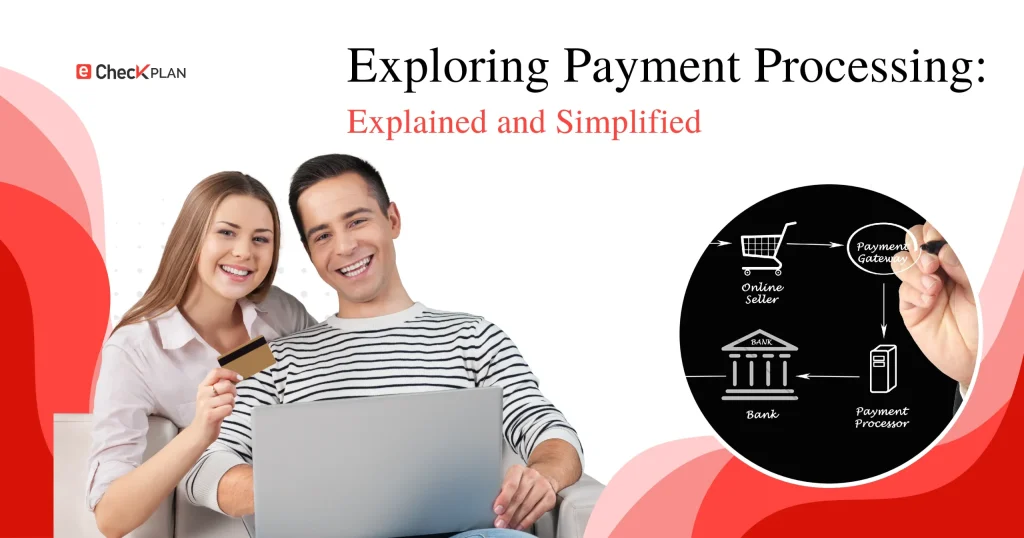
In today’s rapidly advancing digital economy, understanding the inner workings of payment processing has become crucial. Whether you’re purchasing a product online, paying for a subscription, or booking a flight, you’re likely engaging with payment processing systems. But do you know how these transactions happen securely and efficiently behind the scenes? In this blog, we’ll walk you through everything you need to know about payment processing, explaining the process in simple terms, using real-world examples, and highlighting why it’s essential for businesses and consumers alike.
What is Payment Processing?
At its core, payment processing is the mechanism that enables businesses to receive payments for products and services. This system ensures that payments are processed securely, money is transferred from the consumer to the business, and everything happens without error. While payment processing may seem simple, there are many layers to it, involving several players and technology working in sync.
Key Components of Payment Processing: –
To understand how payment processing works, it’s essential to look at the key components involved:
- Merchant: This is the business or service provider accepting the payment. Merchants can range from small local stores to large global enterprises.
- Customer: The person who is making the purchase, using their chosen payment method.
- Payment Gateway: The technology that links the merchant’s website or physical point-of-sale (POS) system to the payment processor. The payment gateway encrypts the transaction data to ensure secure communication between all parties.
- Payment Processor: The payment processing company that handles the actual transaction, connecting the merchant’s bank (acquiring bank) and the customer’s bank (issuing bank).
- Issuer Bank: The customer’s bank, which issues the credit card or debit card and handles the customer’s funds.
- Acquiring Bank: The merchant’s bank, which receives the funds from the customer’s bank.
How Does Payment Processing Work?
The process of payment processing is straightforward once you break it down. Here’s how a payment works in a typical transaction:
Step 1: The Transaction Begins
When a customer makes a purchase (either online or in person), they initiate the transaction using their chosen payment method (credit card, eCheck, mobile wallet, etc.). If the purchase is online, they enter their payment details; for in-person payments, they swipe or tap their card.
Step 2: Authorization Request
The payment gateway encrypts the customer’s payment information and forwards it to the payment processor. The processor sends the payment details to the issuing bank (the customer’s bank) to verify that the customer has enough funds and that there are no issues with the transaction.
Step 3: Response from the Issuer Bank
The issuing bank checks the customer’s account for sufficient funds, and if everything is in order (valid card, sufficient funds, and no fraud alerts), the bank sends an approval message back to the payment processor. If there are any issues (insufficient funds, expired card, fraud suspicion), the transaction is declined.
Step 4: Completing the Transaction
Once the payment is approved, the processor communicates the approval to the merchant. The merchant can now provide the product or service to the customer. The payment then moves from the customer’s account to the merchant’s account through the acquiring bank.
Step 5: Settlement
The settlement process is the final step, where the funds are officially transferred between the banks. The process can take a few days depending on the type of payment method used.
Why Is Payment Processing So Important?
Payment processing isn’t just about moving money from one account to another—it impacts both the efficiency of a business and the safety of its customers. Here’s why it matters:
- Business Efficiency: Payment processing helps automate and streamline financial transactions, saving time, reducing errors, and mitigating fraud risks. With reliable payment processing, businesses can focus on other aspects, such as growing their customer base.
- Customer Convenience: With various payment options available, customers have the flexibility to pay however they prefer. Whether it’s credit cards, mobile wallets, or eChecks, businesses that offer multiple payment methods attract a wider audience and improve customer satisfaction.
- Security: One of the most critical aspects of payment processing is security. The technology involved in payment systems, such as encryption, tokenization, and multi-factor authentication, helps protect sensitive customer information and reduce the risk of fraud.
- Global Reach: Payment processing systems enable businesses to accept payments from around the world, helping them expand their customer base beyond local markets and boost revenue opportunities.
Types of Payment Methods in Processing: –
Understanding different payment methods helps both consumers and merchants make informed decisions. Here are some of the most common payment methods used today:
Credit and Debit Cards:
Credit cards allow customers to buy now and pay later, while debit cards take funds directly from the customer’s bank account. According to the Federal Reserve, credit card transactions in the U.S. were valued at nearly $5 trillion in 2022.
eCheck (Electronic Check):
eChecks are a modern, digital version of paper checks. They allow payments to be made directly from a customer’s bank account. eCheck payments are especially popular for large transactions, like bill payments and business-to-business (B2B) payments.
Mobile Wallets:
Mobile wallets such as Apple Pay, Google Pay, and Samsung Pay allow customers to make payments using their smartphones or other digital devices. In fact, the global mobile payment market was expected to reach $10.07 trillion in 2024, reflecting the increasing use of these technologies.
ACH Payments (Automated Clearing House):
ACH payments are often used for recurring payments like payroll, utilities, and subscriptions. This network helps process direct deposits and bill payments efficiently.
Cryptocurrency:
Cryptocurrencies like Bitcoin and Ethereum are growing as a method of payment. While not as mainstream yet, they offer a decentralized, digital option for payments without the need for banks.
Conclusion:
Payment processing plays a vital role in ensuring smooth, secure transactions for both businesses and consumers. By understanding how it works, its components, and why it’s essential, you’re better equipped to navigate this complex yet crucial system. As technology evolves, newer methods of payment, such as mobile wallets and cryptocurrencies, are expanding the ways we can pay.

 ChatGPT
 Grok
Grok
 Claude
 Perplexity
 Google Search