

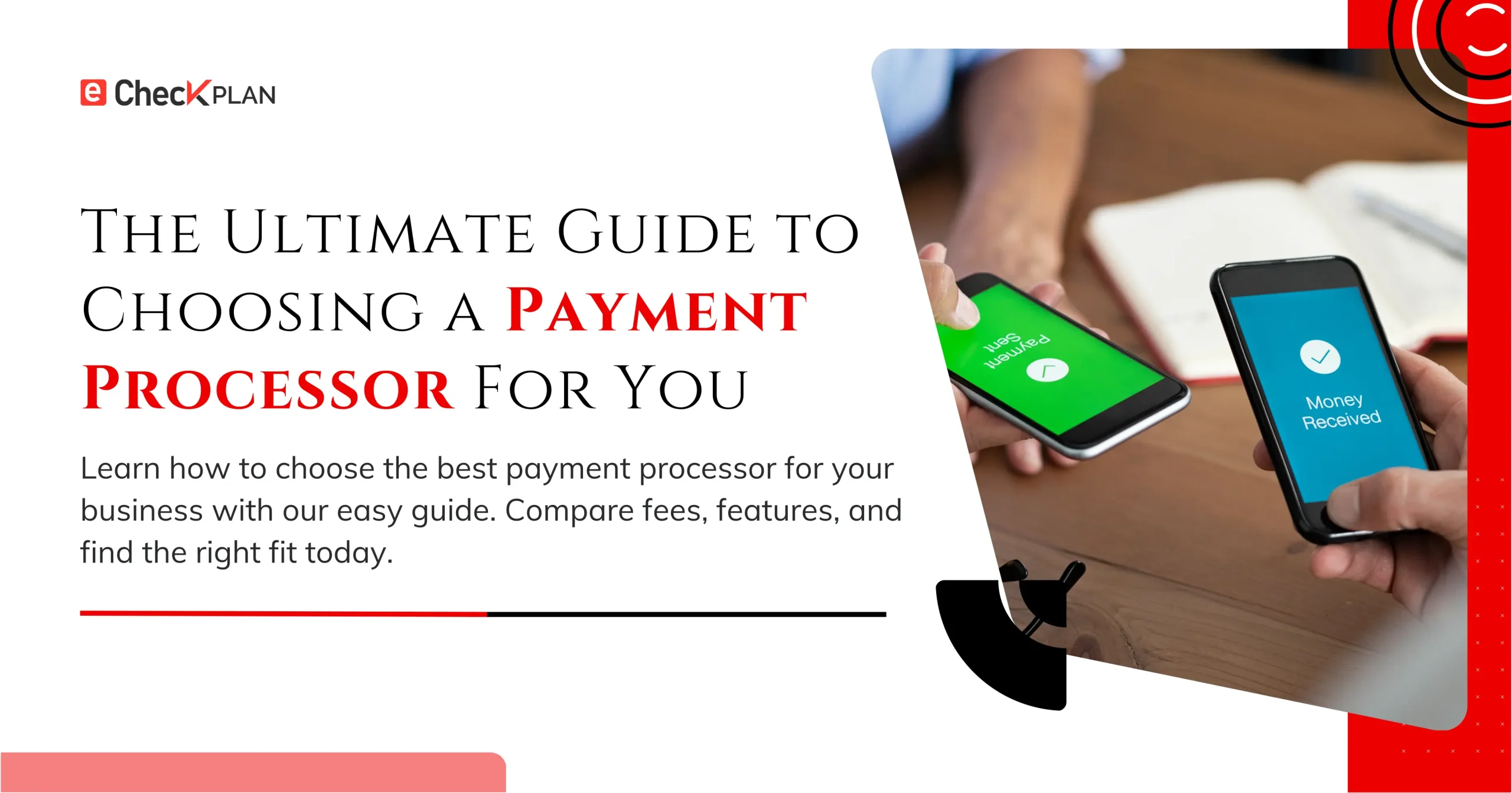
The Ultimate Guide to Choosing a Payment Processor For You!
In today’s digital age, having an efficient and reliable payment processor is crucial for any business, whether you’re selling handmade crafts online or running a large e-commerce store. But what exactly is a payment processor, and how do you choose the right one for your business? This guide will break down everything you need to know in simple terms, so even if you’re completely new to the topic, you’ll feel confident making a decision.
What is a Payment Processor?
A payment processor is a company that handles transactions between a business and a customer. When a customer makes a purchase, the payment processor ensures the money is securely transferred from the customer’s bank account or credit card to the business’s account. It’s the middleman that makes electronic payments possible.
Why Do You Need a Payment Processor?
If you want to accept credit or debit card payments, eChecks, or other electronic payments, either online or in person, you need a payment processor. They provide the technology and security needed to handle these transactions, ensuring that both the business and the customer are protected.
Key Factors to Consider When Choosing a Payment Processor: –
1. Fees and Costs
Payment processors charge fees for their services, and these can vary significantly. Here are some common types of fees to look out for:
- Transaction Fees: A percentage of each sale, often around 2-3%.
- Monthly Fees: A flat fee is charged every month.
- Setup Fees: A one-time fee to set up your account.
- Cancellation Fees: Charges for ending your contract early.
Make sure to understand all the fees involved and how they will impact your bottom line.
2. Types of Payments Accepted
Different payment processors accept different types of payments. Ensure that the processor you choose supports the payment methods your customers prefer, such as:
- Credit and debit cards (Visa, MasterCard, American Express, etc.)
- Digital wallets (Apple Pay, Google Wallet)
- eChecks (electronic checks)
- Bank transfers
- Other methods (cryptocurrency)
3. Security
Security is paramount when dealing with financial transactions. Look for payment processors that are PCI DSS compliant. This means they follow strict security standards to protect cardholder data. Features like encryption and fraud detection can also add extra layers of security.
4. Integration with Your Existing Systems
Your payment processor should easily integrate with your existing systems, such as your website, e-commerce platform, or point-of-sale (POS) system. This ensures a smooth operation and saves time in managing different platforms.
5. Customer Support
Good customer support is essential. If you encounter issues with transactions, you’ll need quick and effective help. Look for processors that offer 24/7 support through multiple channels, such as phone, email, and live chat.
6. Speed of Payment Processing
How quickly do you get your money after a sale? Some processors offer next-day deposits, while others might take a few days. Faster processing can improve your cash flow and help you manage your business finances better.
7. International Transactions
If you plan to sell to customers in other countries, ensure your payment processor can handle international transactions and different currencies. Check for any additional fees and the exchange rates they use.
8. Reputation and Reviews
Research the reputation of potential payment processors. Read reviews from other businesses to see if there are common issues or complaints. A processor with a good reputation is more likely to provide reliable service.
Key Features to Look for in Payment Processors: –
1. User-Friendly Dashboard
A user-friendly dashboard is essential for managing your transactions, monitoring sales, and generating reports. The interface should be intuitive, allowing you to access important information quickly and easily.
2. Mobile Payment Options
With the increasing use of smartphones for shopping, it’s crucial to choose a payment processor that supports mobile payments. This includes mobile card readers for in-person sales and mobile-friendly checkout processes for online sales.
3. Recurring Billing and Subscriptions
If your business model includes recurring billing or subscription services, look for a payment processor that supports these features. This will allow you to automate the billing process, reducing manual work and ensuring timely payments.
4. Customizable Checkout Experience
A customizable checkout experience can enhance the customer journey by allowing you to match the checkout process with your brand’s look and feel. Look for processors that offer flexible and customizable checkout options.
5. Detailed Reporting and Analytics
Access to detailed reports and analytics can provide valuable insights into your sales performance and customer behavior. Look for a payment processor that offers comprehensive reporting tools, helping you make informed business decisions.
6. Fraud Prevention Tools
Fraud prevention tools are crucial for protecting your business and your customers from fraudulent activities. Features to look for include:
- Real-time fraud detection
- Address Verification System (AVS)
- Card Verification Value (CVV) checks
- Risk scoring
7. Multi-Currency Support
If you sell to customers in multiple countries, multi-currency support is essential. This allows customers to pay in their preferred currency, improving their shopping experience and increasing conversion rates.
8. Customer Management Tools
Customer management tools help you keep track of your customers’ payment information and transaction history. This can be particularly useful for managing subscriptions and recurring payments.
9. Dispute Management
Handling chargebacks and disputes can be time-consuming and costly. Choose a payment processor that offers robust dispute management tools, making it easier to resolve issues quickly and efficiently.
10. API and Developer Tools
For businesses that require more control over their payment processing, API and developer tools are essential. These allow you to integrate the payment processor with your existing systems and customize the payment experience to meet your specific needs.
Steps to Choose the Right Payment Processor: –
1. Assess Your Business Needs
Start by understanding your business needs. Consider factors such as the volume of transactions, the types of payments you want to accept, and whether you need in-person payment capabilities.
2. Research and Compare Options
Take the time to research and compare different payment processors. Look at their features, fees, and user reviews to narrow down your options.
3. Contact Providers
Reach out to potential payment processors with any questions you have. This can give you a sense of their customer service and whether they’re a good fit for your business.
4. Test the System
If possible, test the payment processor’s system. Some providers offer trial periods or demo accounts. This can help you see how well the system integrates with your existing setup and whether it meets your needs.
5. Read the Fine Print
Before making a final decision, carefully read the terms and conditions. Pay attention to contract length, fees, and any potential hidden charges.
6. Make Your Choice
After thorough research and testing, choose the payment processor that best fits your business needs. Remember, the cheapest option isn’t always the best. Consider the overall value and service quality.
Conclusion: –
Choosing the right payment processor is a crucial decision for any business. By understanding the key factors to consider and researching your options, you can find a processor that meets your needs and helps your business grow. Remember, the right payment processor will not only handle transactions smoothly but also provide security, support, and integration that fit your business model. Take your time, compare your options, and choose the one that offers the best overall value for your specific needs.

 ChatGPT
 Grok
Grok Claude
 Perplexity
 Google Search