

What are the documents required for ECheck processing?
In today’s digital world, businesses and individuals are increasingly looking for efficient ways to process payments. One such method that has gained popularity is eCheck payment processing. An eCheck is a digital version of a normal paper check. It allows businesses to transfer funds directly from a customer’s bank account to their own. But before you can start accepting eChecks, there are specific documents and information that you need to provide. We will walk you through the required documents for eCheck processing in simple, easy-to-understand terms.
Why Are Documents Required for eCheck Processing?
Just like setting up any financial service, eCheck processing requires you to provide specific documents. These documents serve multiple purposes:
- Verification: To ensure that your business is legitimate.
- Compliance: To meet legal and regulatory requirements.
- Risk Management: To assess the risk involved in processing payments for your business.
key documents you’ll need to get started: –
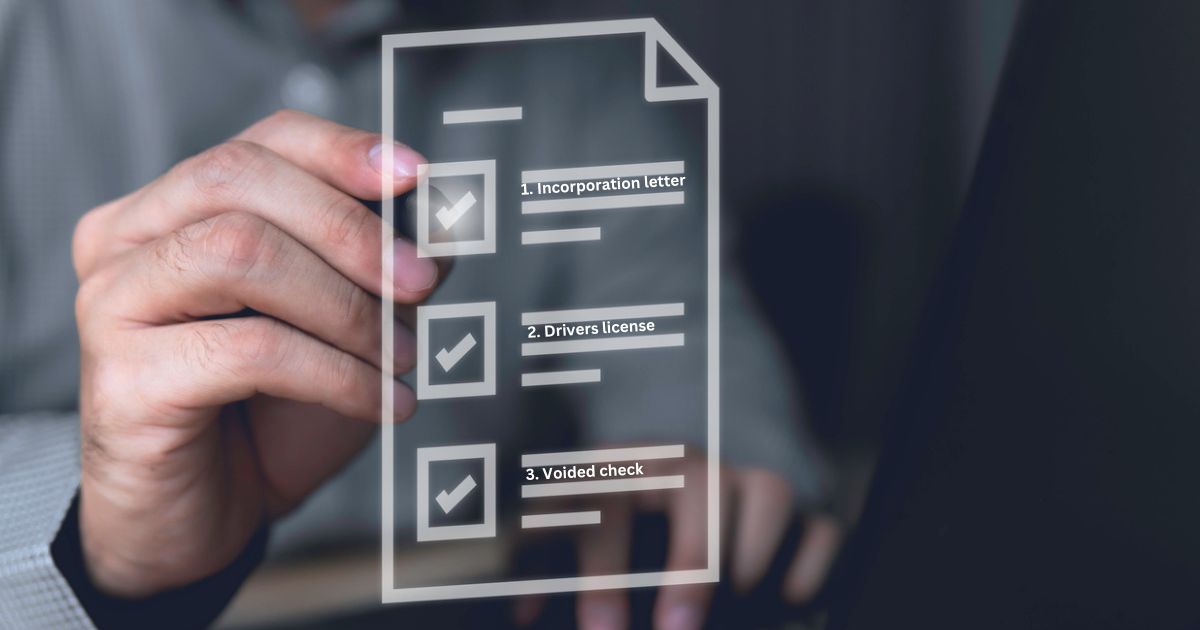
1. Business License or Incorporation Documents
One of the first things you’ll need to provide is proof that your business is legally registered. This typically comes in the form of a business license or incorporation documents. These documents show that your business is recognized by the government and is authorized to operate.
- Why It’s Needed: This document verifies the legitimacy of your business and ensures that you are operating within legal boundaries.
- Examples: Business License, Articles of Incorporation, LLC Formation Documents.
2. Employer Identification Number (EIN)
An Employer Identification Number (EIN) is like a Social Security number for your business. It’s issued by the Internal Revenue Service (IRS) and is used to identify your business for tax purposes.
- Why It’s Needed: The EIN is required to verify your business identity and to comply with tax regulations.
- Where to Get It: You can apply for an EIN online through the IRS website.
3. Bank Account Information
To process eChecks, you’ll need to provide your business’s bank account information. This includes the account number and the routing number. This information is necessary because eCheck transactions involve transferring funds directly between bank accounts.
- Why It’s Needed: The bank account information is essential for processing transactions and ensuring that funds are transferred to the correct account.
- What to Provide: Bank Account Number, Routing Number, Bank Name.
4. Void Check
A voided check from your business’s bank account is often required to verify your account information. A void check is simply a check that has “VOID” written across it, which prevents it from being used as an actual payment.
- Why It’s Needed: The void check provides a way to double-check your account information and ensures that there are no errors in the account details you’ve provided.
- How to Provide It: Simply write “VOID” across a blank check and submit a copy.
5. Proof of Identity
In addition to verifying your business, eCheck Payment processors will also need to verify the identity of the business owner or authorized representative. This typically requires government-issued identification.
- Why It’s Needed: To ensure that the person setting up the eCheck processing is who they claim to be and to prevent fraud.
- Examples: Driver’s License, Passport, State ID.
6. Proof of Business Address
You’ll also need to provide proof of your business’s physical address. This can be a utility bill, lease agreement, or any official document that shows the address where your business operates.
- Why It’s Needed: To verify the location of your business and ensure it matches the information provided in other documents.
- Examples: Utility Bill, Lease Agreement, Bank Statement.
7. Merchant Processing History
If you’ve previously processed payments through other methods, you may be asked to provide your merchant processing history. This includes records of transactions, chargebacks, and refunds.
- Why It’s Needed: To assess the risk level of your business and to determine the volume of transactions you typically handle.
- What to Include: Previous Merchant Statements, Transaction Reports.
8. Business Financial Statements
Providing recent financial statements, such as income statements or balance sheets, can help the eCheck processor assess the financial health of your business.
- Why It’s Needed: To determine your business’s ability to handle refunds, and chargebacks, and to gauge overall financial stability.
- Examples: Income Statement, Balance Sheet, Cash Flow Statement.
9. Terms and Conditions Agreement
Finally, you’ll need to provide a copy of your business’s terms and conditions agreement. This document outlines the terms under which your customers agree to make payments and can help protect your business in the event of a dispute.
- Why It’s Needed: To clearly communicate the rules of payment processing to your customers and to protect your business legally.
- What to Include: Payment Terms, Refund Policies, Dispute Resolution Process.
Conclusion
Setting up eCheck payment processing for your business may seem daunting at first, but it becomes manageable once you understand the required documents. Each document serves a specific purpose, from verifying your business’s legitimacy to ensuring compliance with legal regulations. By gathering these documents in advance, you can streamline the setup process and start accepting eCheck payments more quickly.
If you’re considering an eCheck payment processor, you might want to look into services like eCheckplan, which offers comprehensive eCheck solutions tailored to your business needs. With the right documents in hand, you’ll be well on your way to enhancing your payment processing capabilities and providing your customers with a secure and efficient payment option.
FAQs: –
1. Do I need a business bank account for eCheck processing?
Yes, a business bank account is required for eCheck processing. It ensures that the funds from your transactions are deposited directly into your business account.
2. What happens if I don’t have all the required documents?
If you’re missing any required documents, the eCheck processor may delay your setup process or reject your application. It’s best to gather all necessary documents before applying.
3. Can I use a personal bank account for eCheck processing?
While some processors might allow it, it’s generally recommended to use a business bank account for eCheck processing to keep your business finances separate from personal finances.
4. How long does it take to get approved for eCheck processing?
Approval times vary, but once you’ve submitted all required documents, the process typically takes a few business days.
5. Is my information safe when I submit these documents?
Reputable eCheck processors take security seriously and will ensure that your documents are handled with the utmost care and confidentiality.

 ChatGPT
 Grok
Grok Claude
 Perplexity
 Google Search