


How to Open a Business Bank Account for Getting eCheck Services
No business can afford to offer less secure payment options today due to the rapidly evolving pace of modern life. For example, eCheck services are one solution that allows businesses to process payments electronically. A business can avail of eCheck services by initially opening a business bank account. This guide will take you through the process in simple, easy-to-follow steps.
Why Do You Need a Business Bank Account for eCheck Services?
A business bank account is not just an administrative necessity—it’s a requirement for accessing eCheck services. Here’s why:
- Professionalism: Customers trust businesses with dedicated accounts over personal ones.
- Seamless Transactions: Payment processors like eCheckplan require a verified account for handling electronic transfers securely.
- Regulatory Compliance: Having a business account ensures your transactions comply with banking and financial regulations.
In fact, 68% of businesses in the U.S. rely on electronic payment systems like eChecks to streamline their transactions, according to recent industry statistics.
Steps to Open a Business Bank Account: –
Let’s break down the process into simple steps:
1. Select the Right Bank
Not all banks offer the same benefits for business accounts. Consider these factors:
- Fees: Compare account maintenance fees, transaction charges, and other costs.
- eCheck Compatibility: Ensure the bank supports eCheck processing.
- Online Banking Features: Check for robust digital tools to track payments and manage accounts.
Customer Support: Look for responsive and knowledgeable support teams.
Popular banks, such as Chase, Bank of America, and Wells Fargo, often provide small business-friendly options with flexible plans.
2. Gather Required Documents
When opening a business bank account, you’ll need specific documents to verify your business. These usually include:
- Business License: Proof that your business is registered.
- Employer Identification Number (EIN): A federal tax identification number.
- Articles of Incorporation or Organization: Required for corporations or LLCs.
- Personal Identification: A government-issued photo ID of the account holder(s).
- Operating Agreement: For partnerships or LLCs, detailing ownership and roles.
Pro Tip: Contact your bank in advance to confirm their specific requirements to avoid delays.
3. Choose the Right Account Type
Banks offer a range of account types tailored to business needs. Consider these options:
- Basic Business Checking Accounts: Ideal for startups and small businesses with fewer transactions.
- Merchant Services Accounts: Specifically designed for businesses needing payment processing solutions like eChecks and credit cards.
- Interest-Bearing Accounts: If you want to earn interest on your deposits, this might be a good choice.
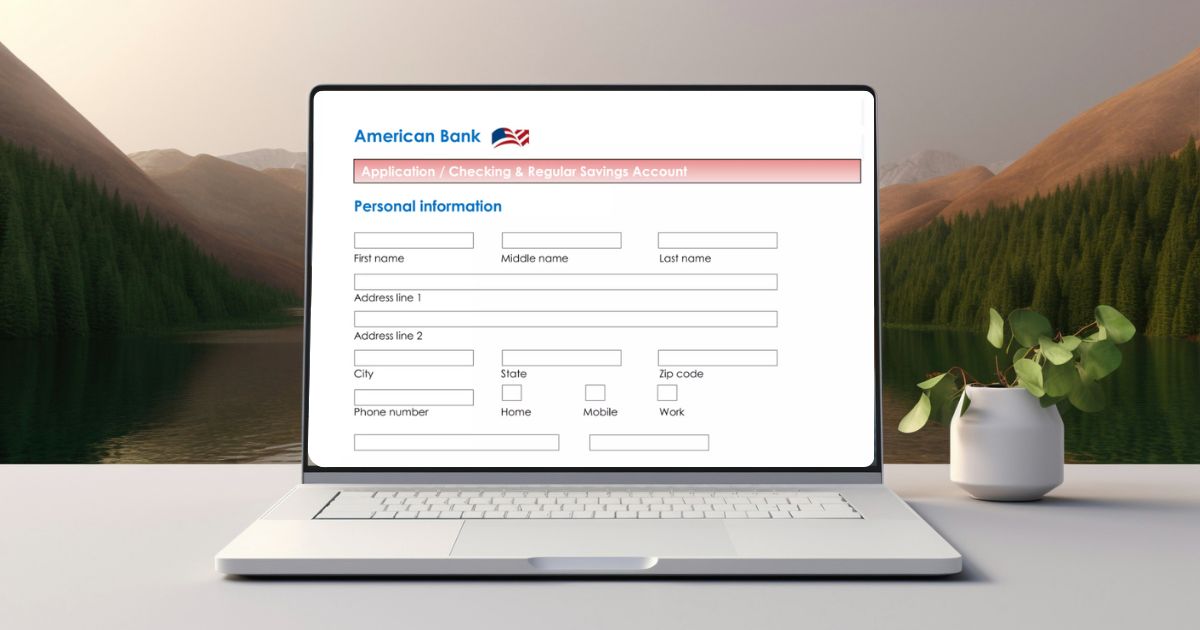
4. Apply for Your Business Account
Visit the bank’s branch or start the application process online if available. During the application, you will:
- Fill out forms with your business and personal information.
- Submit the required documents.
- Choose any additional services, such as a debit card or overdraft protection.
The approval process typically takes 1-3 business days, though some banks offer same-day account setup.
How to Connect Your Business Bank Account to eCheck Services: –
Once your account is set up, you’re ready to integrate it with an eCheck payment processor. Here’s how:
- Apply for an eCheck Merchant Account: Work with a eCheck Merchant Account provider like eCheckplan to get started.
- Verify Your Bank Account: Provide your business bank account and routing numbers to link it securely.
- Start Accepting Payments: Once approved, you can use eChecks for customer transactions.
Common Challenges and How to Avoid Them: –
1. Mixing Personal and Business Finances: Using a personal bank account for business transactions can lead to accounting and tax issues.
- Solution: Open a dedicated business account to separate finances clearly.
2. Choosing the Wrong Account Type: Some accounts may have hidden fees or lack the features your business needs.
- Solution: Research and compare banks thoroughly before making a decision.
3. Ignoring Fees: Overlooking transaction and maintenance fees can eat into your profits.
- Solution: Opt for banks that waive fees if you meet certain criteria, like maintaining a minimum balance.
Final Thoughts: –
Opening a business bank account is a vital step toward establishing credibility, ensuring compliance, and accessing eCheck Merchant Account. By following this guide, you can simplify the process and start enjoying the benefits of electronic payments.
At eCheckplan, we specialize in helping businesses succeed with eCheck services. Whether you’re a small startup or an established enterprise, our solutions are tailored to meet your needs. Contact us today to learn more about how we can help your business grow!
 ChatGPT
 Grok
Grok Claude
 Perplexity
 Google Search