

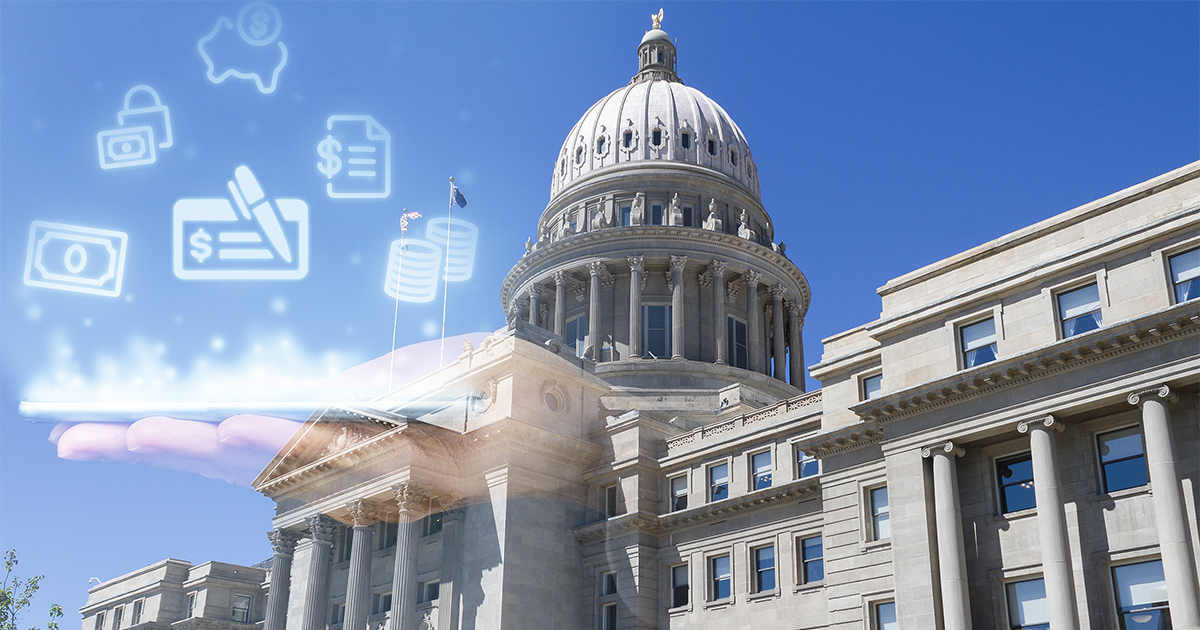
ECheck Payments: Streamlining Government Transactions
Government agencies are increasingly using electronic payment methods to improve their operations in an era where efficiency is crucial. A method that is becoming popular is the eCheck, a digital option for paper checks that aims to simplify government transactions. This blog delves into how eCheck payments have the potential to transform payment procedures within the public sector.
An electronic Check is basically an electronic form of a normal paper check, handled via the Automated Clearing House (ACH) system. This system enables safe and effective money transfers among financial institutions, making it a perfect choice for government agencies that frequently manage high numbers of transactions.
The Mechanics of eChecks
The process of eCheck payment includes multiple important stages:
1. Authorization: Approval is needed from the payer for the transaction to proceed, and this can be achieved by filling out online forms, signing contracts, or through a phone call.
2. Setting up payment: After approval, the required payment information, like bank account and routing numbers, is inputted into a payment processing system.
3. Submission of Transaction: The information is sent to the ACH network for processing.
4. Money transfer: Money is taken out of the payer’s account and put into the payee’s account, usually within one to three business days.
This efficient process reduces the delays linked to paper checks, like sending mail and manual deposit methods.
Benefits of eChecks for Government Transactions
1. Improved Effectiveness
Government departments frequently encounter bureaucratic obstacles that impede payment procedures. eChecks streamline these processes, cutting down on manual tasks and speeding up transaction times. This newfound efficiency enables agencies to concentrate on their primary duties instead of dealing with administrative tasks.
2. Savings in Costs
eChecks provides a more affordable option compared to conventional payment methods. Agencies can reduce operational costs related to payment processing significantly by getting rid of paper, printing, and postage expenses. Moreover, reduced processing costs relative to credit card transactions also improve financial responsibility.
3. Enhanced Security
Government agencies prioritize security in financial transaction handling due to its critical nature. To safeguard sensitive data from cyber threats and unauthorized access, eChecks utilize strong encryption protocols and multi-factor authentication. This digital method not just ensures transactions but also reduces the possibility of fraud.
4. Enhanced Responsibility and Adherence
eChecks creates a thorough digital record for every transaction, making auditing easier and improving accountability. This ability to be audited is essential for government agencies that need to follow strict compliance standards and regulations.
5. Accessibility for Citizens
eChecks gives individuals the ability to conduct financial transactions independently using secure online portals. Individuals have the ability to start and monitor payments without requiring face-to-face meetings or extensive documentation. This increase in accessibility enhances civic involvement and contentment.
Challenges in Implementing eChecks
Despite the various advantages of eChecks, government finance departments must still take into account certain difficulties:
- Technology Requirements: Agencies might have to purchase payment processing systems that are compatible with their technology needs.
- Cybersecurity Risks: Cybersecurity threats persist for eChecks despite their security measures, leaving them vulnerable to risks such as hacking and phishing.
- Vendor Compatibility: Some vendors may not be compatible with eCheck payments, potentially restricting their usefulness.
- Compliance Problems: It is crucial to make sure that regulatory standards are followed for a successful execution.
Conclusion
eCheck payments are a big improvement in making government transactions more efficient. eChecks have the potential to revolutionize how government agencies handle their financial operations by automating tasks, cutting costs, boosting security, and increasing accessibility for citizens. As more organizations start using this new payment method, the possibility of improved efficiency and effectiveness in the delivery of public services will also increase.

 ChatGPT
 Grok
Grok Claude
 Perplexity
 Google Search