


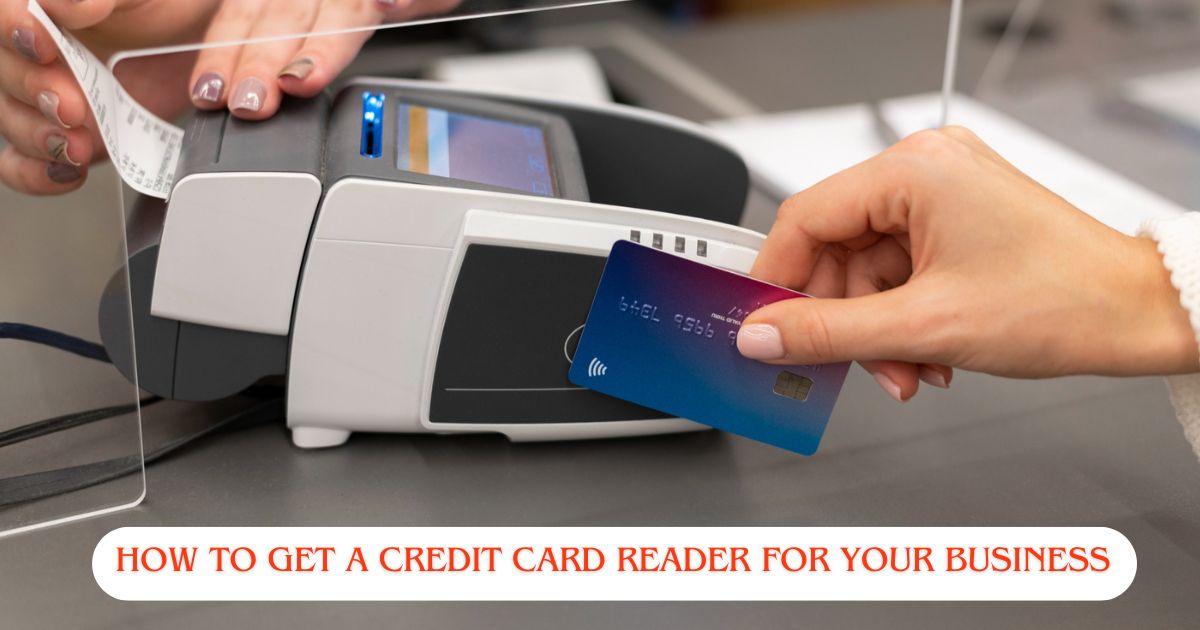
How to Get a Credit Card Reader for Your Business
In today’s online marketplace, customers expect to pay for goods and services with ease and convenience, often using credit or debit cards. If you’re a business owner looking to meet these expectations, getting a credit card reader is essential. Credit card readers help you process payments quickly, securely, and efficiently. This guide will walk you through the steps of obtaining a credit card reader for your business, discuss key factors to consider and introduce options that fit your unique needs.
What is a Credit Card Reader?
A credit card reader is a device that reads the information on a customer’s credit or debit card. The reader can either be connected to a point-of-sale (POS) system, work as a mobile unit, or function independently to process card payments. With a card reader, you can swipe, tap, or insert cards to quickly and securely complete transactions.
Why Do Businesses Need Credit Card Readers?
According to a recent study, over 80% of Americans use credit and debit cards for everyday purchases. Accepting card payments not only increases convenience for your customers but can also significantly boost your sales by allowing for faster checkouts, reducing cash handling, and lowering the risk of theft.
Types of Credit Card Readers: –
Before selecting a credit card reader, it’s essential to know the different types available and determine which is best suited to your business:
- Mobile Card Readers: Ideal for businesses on the go, these readers connect to a smartphone or tablet via Bluetooth or a headphone jack. They are often used by food trucks, pop-up stores, and freelancers who need flexibility.
- Countertop Card Readers: These are stationary devices commonly seen at retail stores, restaurants, and cafes. They are reliable for high-traffic businesses and connect directly to your POS system.
- Smart Card Readers: Equipped with advanced features like inventory management and sales tracking, smart card readers often include touchscreen displays and are suitable for larger retail stores or businesses with multiple needs.
- Virtual Terminals: A virtual terminal is a software solution that allows businesses to process payments on a computer. This is perfect for phone orders or businesses that do not require physical card readers.
How to Get a Credit Card Reader for Your Business: –
1. Understand Your Business Needs:
Start by evaluating your business type, size, and daily transaction volume. For instance, a mobile business might benefit more from a portable reader, while a high-volume retail store may prefer a robust countertop device.
2. Choose a Payment Processor:
Payment processors handle the behind-the-scenes transaction details. You can choose from popular providers like eCheckplan. Evaluate providers based on processing fees, contract terms, and support for your specific industry. Look for a provider with reliable support and integration options for other business tools.
3. Compare Card Reader Options and Costs:
There are plenty of card readers available, each with unique features. Here are some typical cost considerations:
- Upfront Purchase Cost: Some readers are free or low-cost when you sign up with a payment processor.
- Transaction Fees: Each card swipe incurs a fee, often around 2.5% to 3% of the transaction.
- Monthly Fees: Some processors charge monthly fees, especially for advanced readers.
- Extra Fees: Check for hidden fees, such as setup fees or PCI compliance fees.
Research and select the best option that suits your budget and business needs.
4. Apply for Your Credit Card Reader:
Once you select a provider and device, you’ll need to apply through the provider’s website. The application process is typically quick, and many companies offer same-day approvals. Make sure to provide accurate business information to avoid delays.
5. Set Up Your Credit Card Reader:
After receiving your reader, follow the setup instructions. Most readers are plug-and-play, but some may require installation or pairing with a POS system. Look for tutorials or customer support options provided by the reader’s manufacturer.
Factors to Consider When Choosing a Credit Card Reader: –
To make the best decision for your business, here are several factors to keep in mind:
- Transaction Volume: Higher transaction volumes may benefit from devices with lower transaction fees.
- Internet Connectivity: Some readers require a stable internet connection, while others work offline and sync transactions later.
- Customer Support: Look for a provider that offers responsive customer support, especially if you experience issues during business hours.
- Data Security: Choose PCI-compliant devices that safeguard customer information, including options with encryption and secure authentication.
Common Pitfalls to Avoid: –
While getting a credit card reader is relatively straightforward, there are a few pitfalls to avoid:
- Overlooking Hidden Fees: Some providers may advertise low rates but add on fees for PCI compliance, setup, or even customer support. Always review the full fee structure before committing.
- Not Testing the Device: Before using the reader in your daily operations, test it to ensure compatibility and reliability. This will help you identify and fix any potential issues early.
- Ignoring Security Measures: Make sure you’re compliant with PCI standards to avoid hefty fines and ensure customer trust.
- Not Reading Contract Terms: Some payment processors may require long-term contracts with early termination fees. If flexibility is essential, look for providers with month-to-month options.
Benefits of Using a Credit Card Reader: –
Having a credit card reader opens up several benefits for your business:
- Speed and Convenience: Credit card readers process payments quickly, reducing wait times for customers and improving transaction efficiency compared to manual methods like cash or checks.
- Increased Sales: Accepting card payments caters to customers who prefer not to carry cash, potentially boosting revenue as people tend to spend more with cards than cash.
- Improved Cash Flow: Payments are deposited into your account faster than with checks, often within a day or two, helping with immediate financial flexibility.
- Enhanced Security: Modern credit card readers use encryption and tokenization, reducing the risk of fraud or theft compared to handling cash.
- Professionalism: Offering card payments can make a business appear more legitimate and customer-focused, building trust with clients.
- Record Keeping: Transactions are automatically logged, simplifying accounting and tracking sales trends over time.
- Customer Preference: With digital payments on the rise, many customers expect the option to pay with a card, especially for larger purchases.
Final Thoughts: –
Choosing the right credit card reader can make a big difference in how efficiently your business runs. By understanding your needs, comparing options, and selecting the best device, you’ll be well on your way to providing a seamless payment experience for your customers. Whether you’re a small business owner or run a larger enterprise, there’s a credit card reader out there to suit your needs. Once set up, you’ll find that accepting card payments can help your business grow, improve customer satisfaction, and boost sales.
 ChatGPT
 Grok
Grok Claude
 Perplexity
 Google Search